Why Has Energy Management Become Critical in Formula 1?
Think Formula 1, and the first words that come to mind are power and speed. Today, Formula 1 has entered an era in which speed depends on more than the car’s engine power. Energy management has become one of the defining elements of modern racing, influencing acceleration, overtaking, qualifying performance, fuel efficiency, and race strategy.
As hybrid technology becomes more popular and essential, motorsport teams need to understand not only how much power a car can produce, but also when to deploy it and how to recover energy.
The 2026 Formula 1 technical regulations have increased the significance of this shift by placing greater emphasis on electrical power, energy recovery and sustainable fuels. For drivers, engineers and manufacturers, managing energy efficiently is now vital to extract the best performance from a modern F1 car.
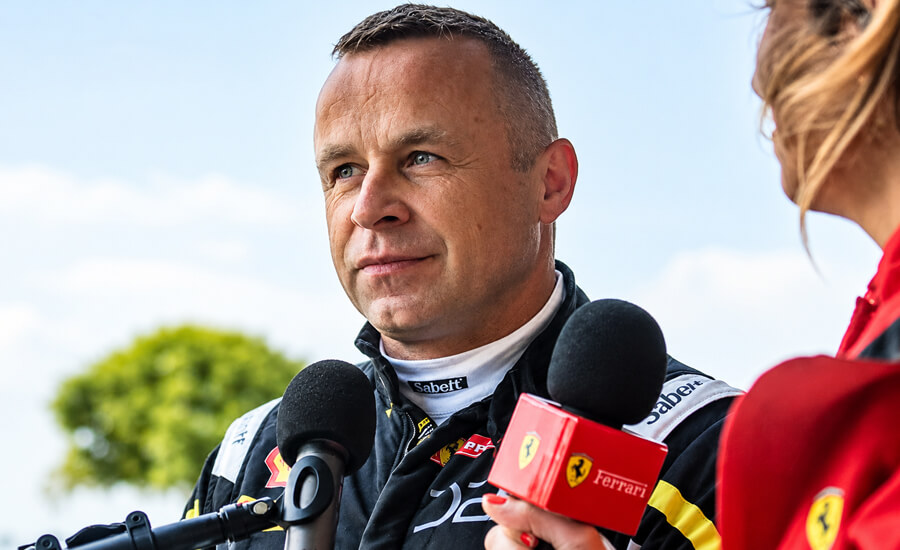
For Roman Ziemian, a racing driver and entrepreneur interested in motorsport innovation and sustainable mobility, this evolution reflects one of his own philosophies: technology creates a competitive advantage when applied intelligently.
In this blog, we explore more about energy management in Formula 1 and Roman Ziemian’s insights around sustainability in the sport.
What is Energy Management in Formula 1?
Energy management is the process of sourcing energy, storing it, and distributing it for efficient use. In the context of Formula 1, energy management can help maximize a car’s performance within the regulations, and often involves coordination between the internal combustion engine, electrical components, battery, braking system, control software, and the driver’s decisions.
Modern F1 cars deployed in recent times use sophisticated hybrid power units that combine a turbocharged internal combustion engine with an electrical energy recovery system. Design engineers therefore must balance the energy generated, recovered, and consumed throughout a lap while complying with technical restrictions.
Why Has Energy Management Become So Important in F1?
There are several reasons why energy management has become indispensable in Formula 1:
Increased adoption of hybrid engines
Hybrid technology has fundamentally changed mobility across the world, including the engineering priorities of Formula 1. In fact, not many are aware that teams have competed with sophisticated hybrid power units that combine combustion and electrical energy to deliver extraordinary performance since 2014.
What is interesting is that the 2026 Formula 1 regulations have increased the importance of the electrical component. According to Formula 1’s published explanation of the new power units, the MGU-K’s maximum output has increased from 120 kW to 350 kW, while the revised architecture removes the MGU-H.
What does this mean?
These changes mean energy recovery and deployment strategies have a greater influence on a car’s performance around a circuit. For example, engineers must now be able to determine how to collect energy, manage the battery charge, and distribute the electrical power during a lap.
Also, two drivers in similar cars may face different competitive opportunities depending on their energy deployment, driving style, and the strategic decisions their engineering teams make. A lot, therefore, rides on engine engineering.
Helps maximize acceleration and lap times
Even a split-second difference can determine grid positions, overtaking opportunities, and outcomes of the race. This is where energy management can help teams spot opportunities where additional electrical power can give the greatest lap-time improvement.
Effective energy deployment can support:
- Faster acceleration
- Better positioning during overtaking attempt
- Consistent power delivery during a lap
- Stronger performance
- Improved use of the car’s available performance within regulatory limits.
However, if a driver uses the energy at the wrong time, it can leave him with less electrical assistance later in the lap. Engineers therefore develop circuit-specific strategies that balance immediate performance with future energy requirements.
Makes overtaking a strategic move
Energy management is closely connected to racecraft. Drivers must decide when to attack, when to defend, and when to preserve resources for a more valuable opportunity.
Under the 2026 Formula 1 regulations, revised systems for electrical power deployment and overtaking, including a dedicated Overtake Mode, were deployed. This replaces the previous Drag Reduction System approach.
The effectiveness of these systems depends partly on the energy available to the driver, the car’s position on the circuit, and the operating conditions specified by the regulations.
What does this mean for F1 teams?
- A driver must conserve energy before attempting a pass.
- Engineers can adjust deployment strategies according to traffic and circuit characteristics.
- A driver defending a position must consider both immediate acceleration and the energy available later.
- Teams must evaluate whether an overtaking attempt is worth the energy cost.
Energy Management and Sustainability in Motorsport
Formula 1 operates at the intersection of competition and automotive research. Improvements in energy efficiency, control systems, and powertrain integration don’t just translate into results on the track almost instantaneously, but also generate knowledge relevant to the mobility sector.
In addition to this, the recent changes in the sport’s guidelines also put a greater emphasis on hybrid power, showing how technical regulations can also influence research priorities.
These technologies do not automatically transfer from Formula 1 to ordinary road cars because racing systems operate under different costs, regulations, and performance requirements. However, motorsport can provide a demanding environment for testing engineering concepts and developing specialist expertise.
Sustainable fuel or hybrid technology alone does not make an entire racing event or vehicle lifecycle environmentally neutral. Fuel production, manufacturing, logistics, and event operations also matter. The long-term opportunity lies in combining performance innovation with credible measurement of environmental impact.
What are Roman Ziemian's Views on Energy Management in Formula 1?
Roman Ziemian has discussed the importance of technology, sustainability, and equipment in motorsport on multiple occasions – from interviews to podcasts to published articles. So when we discuss energy management in Formula 1, Roman Ziemian’s views are invaluable.
Hardware is important
Modern Formula 1 cars are efficient at energy management, but drivers and teams should understand how they work in different scenarios and use them intelligently.
Technology requires strategy
Advanced systems deliver value when engineers and drivers understand how to use them.
Focus on efficiency to support performance
Better use of available energy can create competitive advantages for drivers and teams without relying solely on additional power.
Data can help make better decisions
Accurate analysis helps teams optimize performance and respond to changing conditions.
Innovation has applications beyond racing
Developments in energy storage, control software and efficient power delivery can inform wider automotive research and development.
These connections are especially relevant as the UAE and other Gulf markets continue to grow their interest in motorsport, advanced engineering, and sustainable mobility.
Conclusion
Energy management has become integral to Formula 1 because modern racing performance depends on the intelligent use of electrical energy, combustion power, recovered energy, and fuel. The 2026 regulations have further strengthened this relationship by increasing the importance of electrical deployment and changing the hybrid power unit’s architecture.
This means drivers must make strategic decisions, engineers must interpret complex data, and teams must coordinate every performance component to remain competitive.
As Formula 1 evolves, energy management will remain central, shaping how precision engineering, data-driven decision-making, and innovation define the future of high-performance mobility.
For more views and insights from Roman Ziemian on motorsport, technology, and sustainable mobility, explore the articles and updates on the official website.
Frequently Asked Questions
Energy management in Formula 1 involves recovering, storing, and deploying energy to maximize a car's performance during a motorsport event. It involves the hybrid power unit, battery, energy recovery systems, fuel consumption, and driver inputs.
The 2026 Formula 1 regulations increased the emphasis on electrical power, with the MGU-K's maximum output rising to 350 kW. The MGU-H has been removed, and the regulations introduce revised energy management requirements alongside advanced sustainable fuels. As a result, teams need to rework their energy recovery, battery management, and power deployment strategies.
Yes. Electrical power deployment can influence acceleration and a driver's ability to challenge another car. Under the 2026 regulations, revised power deployment systems, including Overtake Mode, affect how drivers approach passing opportunities. The available energy, track position, operating conditions, and race strategy all influence the effectiveness of an overtaking attempt.
Teams use telemetry, sensors, simulation tools, and performance software to monitor battery state of charge, energy recovery, power deployment, fuel consumption, and component temperatures. Engineers analyze this information to develop circuit-specific strategies, improve efficiency, and respond to changing race conditions.
Formula 1's focus on hybrid engines, energy recovery and advanced sustainable fuels contributes significantly to research and engineering knowledge that can be applied to the wider automotive industry. However, racing technologies do not always transfer directly to road vehicles, and motorsport's environmental impact also depends on fuel production, manufacturing, logistics, and event operations.
Energy management is broader and includes fuel use, electrical energy recovery, battery storage, power deployment, and coordination between different components of the power unit, whereas fuel management includes using the available fuel efficiently while maintaining the required performance.