The Future of Racing: Hydrogen, Electric, or Sustainable Fuel?
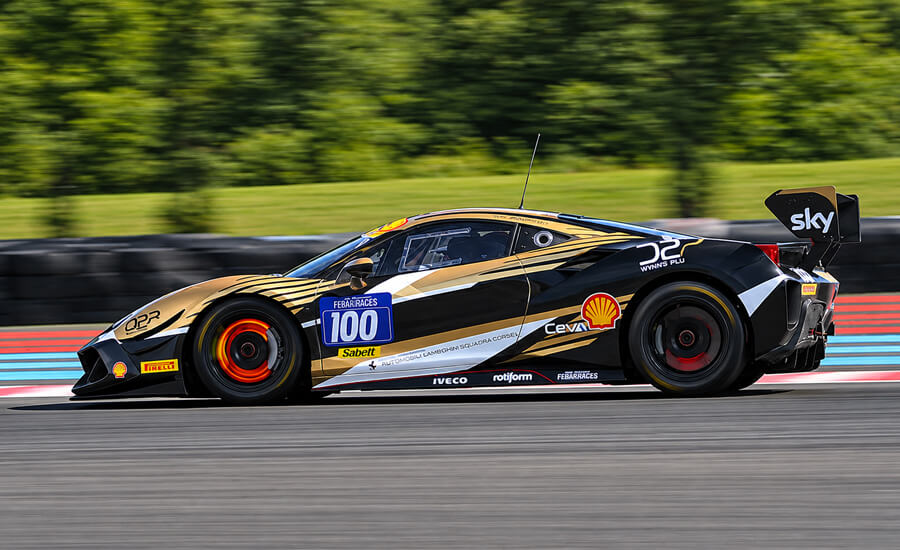
Motor car racing has always been about speed, precision, and innovation. From the roar of engines on the world’s most famous circuits to the latest advances in vehicle design, racing has always pushed engineers and drivers to achieve more.
Today, the question that arises more often is a new challenge the game faces: how can racing deliver thrilling performance while reducing its environmental impact?
In this blog, we explore three main fuel options- hydrogen, electric, and sustainable fuels- and understand Roman Ziemian’s take on each.
The Challenge at Hand
When it comes to environment-friendly fuels with potential use in motorsport racing, three technologies are at the centre of this conversation:
- Electric power
- Hydrogen
- Sustainable fuels
For racing enthusiast and entrepreneur Roman Ziemian, this changing landscape creates an important opportunity to connect motorsport, technological progress, and responsible development.
The UAE is investing in innovation, advanced infrastructure, and sustainable development, and so the region is well placed to take part in the next chapter of global racing.
But which technology will lead the future? Will electric racing dominate, will hydrogen transform high-performance motorsport, or will sustainable fuels offer something better?
The answer may be a combination of all three.
Why is Motorsport Moving Towards Sustainability?
To understand which of the three fuel options will work best for motorsport, it is important to learn why motorsport is moving towards sustainability.
Motorsport has long been a testing ground for new technology, including improvements in aerodynamics, braking systems, tires, engine efficiency, and energy recovery—all of which have helped shape the development of road vehicles.
Today, the industry must consider fuel production, electricity generation, manufacturing emissions, and the environmental impact of racing events.
Let’s compare how traditional racing has impacted the environment and how sustainable motorsport can make a difference.
- Traditional fuel-powered racing cars emit carbon dioxide when they burn fuel. Racing cars work in the same way. Changing the engine alone cannot remove every source of emissions, but it can be an important part of a wider solution.
- Sustainable motorsport aims to reduce these impacts without losing the qualities that make racing exciting. Drivers still need speed, reliable equipment, fast pit stops, and competitive performance. Race organizers must also ensure safety and provide a good experience for fans.
This is where innovation becomes essential.
Roman Ziemian’s motorsport background and interest in innovation provide a useful perspective on this transition. His public-facing work connects racing with business development and sustainability initiatives. For the UAE, motorsport, sustainability, and innovation are particularly relevant as the country continues to develop its technology, transport, and sporting sectors.
The challenge is not simply to make racing greener. It is to find practical solutions that perform well on the track and can eventually deliver benefits beyond it.
3 Potential Fuel Solutions in Motorsport
EV Racing Cars
Electric racing is one of the clearest examples of how motorsport is changing. Instead of burning petrol or diesel to produce power, an electric racing car uses energy stored in a battery. The battery supplies electricity to an electric motor, which turns the wheels.
This system has several advantages.
- Instant power and strong acceleration
- Electric motors can deliver high torque from very low speeds.
- Torque is the turning force that helps a car accelerate. This gives electric racing cars quick responses when drivers leave corners or accelerate along short straights.
- Electric motors also have fewer moving parts than conventional combustion engines. This can simplify some maintenance requirements, although batteries, cooling systems, power electronics, and other specialized components still require careful attention.
The overall environmental impact of electric cars depends on how the electricity is generated, how the battery and vehicle are manufactured, and how the battery is handled at the end of its useful life.
Using renewable electricity and improving battery recycling can strengthen the environmental benefits.
For Roman Ziemian, the growth of electric motorsport offers an excellent opportunity to support wider discussions about innovation and the next generation of mobility solutions.
Limitations of electric vehicles on the racetrack
Battery technology still presents challenges in high-performance racing:
- Batteries can store only a limited amount of energy relative to their weight
- Repeated high-power use generates heat
- It takes longer to charge a car compared to refueling a conventional one
- There is a need to balance battery capacity, vehicle weight, race distance, charging requirements, and safety.
Key takeaway
Electric racing is already an established part of motorsport. It is likely to remain important, particularly in competitions where battery performance, energy efficiency, and electric vehicle technology are central to the challenge.
Sustainable Fuels
Electricity and hydrogen are not the only possible answers. Sustainable fuels may also play an important role in the future of motorsport.
These fuels are designed to reduce emissions throughout their production cycle and use. Depending on the technology, they may be made from sustainable biological materials, waste-derived resources, or synthetic processes that combine hydrogen with captured carbon.
Two important categories are biofuels and synthetic fuels (e-fuels).
1. What are biofuels?
Biofuels are produced from biological materials. Depending on the fuel and production method, possible sources of these fuels include certain waste oils, agricultural residues, and other biomass.
Their environmental performance depends on:
- The source materials
- How they are processed
- Whether production creates other problems, such as land-use change or competition with food production.
2. What are synthetic fuels?
These fuels are manufactured using hydrogen and a source of carbon. If hydrogen is made with renewable electricity and the carbon comes from a suitable source, synthetic fuels may reduce the lifecycle emissions associated with conventional fuels.
However, producing these fuels requires significant energy. Their benefits depend on the energy source, production efficiency, carbon source, and full lifecycle assessment. For this reason, these synthetic fuels are not automatically carbon neutral.
Benefits of sustainable fuels in motorsport
- Some sustainable fuels can work in suitably adapted existing combustion engines and fuel systems. This could help motorsport reduce its reliance on fossil fuels without requiring every vehicle to switch immediately to a completely different powertrain.
- Sustainable fuels may also matter for classic racing cars, specialist performance vehicles, and categories where the sound and mechanical character of combustion engines remain part of the sporting experience.
- Formula 1’s 2026 regulations allow advanced sustainable fuels alongside a revised hybrid power-unit approach. This shows how fuel development can fit into a broader motorsport technology strategy.
Key Takeaway
Sustainable fuels can reduce lifecycle emissions in combustion-engine racing and selected existing vehicles. Their success will depend on credible sustainability standards, adequate supply, affordability, and verified emissions reductions.
Hydrogen-Powered vehicles
Another technology that is attracting interest from motorsport engineers and teams is hydrogen-powered vehicles. Hydrogen-powered racing does not use a single technology.
It works in two ways:
- Through a fuel cell
- Through a specially adapted combustion engine
Understanding the difference matters.
Hydrogen fuel cells
A hydrogen fuel cell uses hydrogen and oxygen in an electrochemical reaction to generate electricity, which is used to power the electric motor in the vehicle.
Unlike a regular electric vehicle with a lithium battery, the vehicle carries hydrogen as its energy source and converts it into electricity while operating.
Hydrogen fuel cells are attractive because the vehicle’s primary exhaust product is water. This is particularly relevant where rapid energy replenishment and sustained operation are important.
But here’s a catch: The overall environmental impact of a hydrogen-powered vehicle depends on how the hydrogen is produced. Hydrogen made using renewable electricity can have a much lower climate impact than hydrogen produced from fossil fuels without effective carbon capture. Compression, transportation, storage, and conversion also require energy.
Hydrogen combustion engines
Hydrogen can also be burned in an adapted internal combustion engine. This approach may preserve some of the mechanical character associated with traditional motorsport. It can produce engine sound and driving characteristics that differ from those of a fuel-cell vehicle.
However, hydrogen combustion is not automatically emissions-free. High-temperature combustion can produce nitrogen oxides, commonly called NOx, because nitrogen in the air reacts with oxygen. Engine design and exhaust treatment therefore matter.
Relevance of hydrogen-fueled vehicles in the UAE
For the UAE, hydrogen research could link motorsport to broader work in clean energy, industrial innovation, and advanced engineering. The country’s interest in developing future-facing energy systems creates a useful setting for conversations between racing teams, manufacturers, researchers, and investors.
According to Roman Ziemian, the opportunity for hydrogen-based vehicles lies in carefully examining emerging technologies, understanding their practical limitations, and supporting solutions that show measurable benefits.
The inaugural FIA Extreme H World Cup, which was held in October 2025 in Qiddiya City, Saudi Arabia, marked the debut of FIA-sanctioned hydrogen-powered motorsport, with competitors racing Pioneer 25 vehicles equipped with hydrogen fuel-cell technology. The event gives us a real-world example of hydrogen propulsion in competitive racing.
Key verdict
Hydrogen is a promising option, especially for selected high-performance and endurance applications. Its long-term role will depend on the availability of clean hydrogen, storage technology, safety, cost, and the development of reliable refueling networks.
How Can the UAE Play an Important Role in Making Racing More Sustainable?
The UAE has several advantages that make it a conducive environment to support sustainable motorsport.
- The country has established international motorsport venues and experience hosting major sporting events. Facilities in Abu Dhabi and Dubai connect the region with global racing audiences, teams, sponsors, and manufacturers.
- The UAE has been vocal about using clean energy, advanced technology, and economic diversification. These priorities create opportunities to connect motorsport with engineering, education, investment, and innovation.
- Sustainable motorsport requires cooperation between different stakeholders, such as vehicle manufacturers, energy companies, technology developers, research institutions, regulators, and event organizers, which is readily available in the UAE.
Roman Ziemian’s Views on the Future of Racing and Fuels
To become successful in motorsport, drivers must study dynamic conditions, understand technical feedback, and adapt their strategies when circumstances change. These qualities also matter in the transition from traditional to sustainable motorsport.
Roman Ziemian is a Polish racing driver and entrepreneur who is well-known for his achievements in motorsport, business, philanthropic work, and an interest in sustainability and innovation. His work has also been presented in connection with the UAE and the wider Middle East.
Here are a few of his insights and views on sustainability in motorsport racing and innovation in fuels:
- When transitioning to new power technologies, engineers, drivers, and their teams must be willing to learn and adapt to the demands of sport on the track.
- Engineers must question established assumptions, drivers and teams must evaluate new systems, while organizers must ensure a balance in performance, cost, safety, and environmental goals are maintained.
- Business leaders and motorsport professionals can also help bring different groups together, creating opportunities for collaboration between technology companies, racing organizations, educational institutions, and investors.
For the UAE, these connections can help strengthen the relationship between international motorsport and local innovation.
Hydrogen, electric power, and sustainable fuels must each be judged on evidence, performance, safety, and independently assessed environmental results. That is the most useful approach to the future: welcome innovation, test claims carefully, and focus on solutions that work in real conditions.
Explore Roman Ziemian’s background, motorsport interests, and innovation-related activities on his official website.
What Could Racing Look Like in 2030 and Beyond?
The next decade is sure to bring about major changes to racing as we know it today – from technology to fuels, and more! Here are a few things we can expect to see in motorsport in the future:
- Electric racing is likely to continue advancing through improvements in battery chemistry, power electronics, charging systems, and energy management.
- Better batteries with reduced weight, more usable energy, and greater efficiency may become available.
- Hydrogen development will depend on progress in storage, refueling, safety standards, and the availability of hydrogen produced with lower emissions.
- Selected racing programs could provide valuable opportunities to test these systems under demanding conditions.
- Sustainable fuels may become more widely used in categories that retain combustion engines, particularly as production methods improve and standards for measuring lifecycle emissions become more rigorous.
Conclusion
Today, we have different options that can power the future of racing – hydrogen, electric energy, or sustainable fuel. But which one will come out the clear winner? The most realistic answer is that all three could play a role. The best power solution will depend on the type of racing, the energy available, the demands of the competition, and the environmental results that can be demonstrated. Roman Ziemian’s motorsport background and interest in innovation make him a relevant figure in this wider conversation.
Frequently Asked Questions About the Future of Racing
The three alternatives to traditional fuels are electric power (EVs), hydrogen, and sustainable fuels, including biofuels and synthetic e-fuels. Each of these offers different benefits and challenges.
All the three options have been recently tried in different formats of the game. Neither is better than the other because they offer different types of power.
Sustainable fuels can reduce lifecycle greenhouse gas emissions when produced from suitable sources using efficient, lower-emission processes.
Yes. Hydrogen can power racing vehicles through fuel cells or specially adapted combustion engines. These are still under research and face challenges involving storage, refueling, cost, and hydrogen production.
The UAE can support sustainable motorsport through its racing infrastructure, clean-energy initiatives, engineering expertise, and collaboration between manufacturers, researchers, investors, and sporting organizations.