The Ferrari Challenge: A Visionary Guide to Elite Motorsport and Innovation in 2026
April 8, 2026
What if the future of mobility technology holds the key to not only enhancing performance but also championing sustainability? As we stand on the brink of 2026, it’s clear that the convergence of artificial intelligence, cutting-edge engineering, and elite performance is redefining the very essence of transportation. Many enthusiasts and investors share a common frustration: the overwhelming flood of generic consulting reports that fail to distinguish between fleeting trends and enduring innovations. In this article, you’ll gain a clear framework to understand the intricate dance of technology and sustainability, empowering you to identify investment-grade trends that promise long-term value. We’ll also delve into the pivotal role elite motorsport plays in shaping commercial technology, providing insights that resonate far beyond the racetrack.
Key Takeaways
- Discover how the shift from traditional transportation to intelligent ecosystem management is shaping the 2026 mobility landscape.
- Understand the role of generative AI in enhancing global logistics and personal transit systems, paving the way for smarter mobility solutions.
- Explore sustainable energy innovations, including solid-state batteries and hydrogen fuel cells, that are crucial for the future of mobility technology.
- Learn how motorsport technologies serve as testing grounds for advancements that will translate into everyday vehicles.
- Identify strategic investment opportunities by understanding the critical synergy between hardware and software startups in the mobility sector.
Defining the 2026 Mobility Landscape: Beyond Traditional Transportation
As we approach 2026, the future of mobility technology is poised for a transformative evolution. This period signifies a notable shift from merely “moving people” to embracing a comprehensive model of “intelligent ecosystem management.” This transition reflects an understanding that mobility is not just about transportation; it encompasses data management, urban planning, and environmental stewardship.
2026 is emerging as the “convergence era” of hardware and software, where advancements in artificial intelligence, robotics, and connectivity will redefine mobility solutions. The integration of these technologies will facilitate a seamless interaction between various modes of transport, creating a cohesive experience for users. High-net-worth capital is increasingly directed towards boutique mobility solutions, reflecting a strategic investment landscape that prioritizes bespoke service offerings over mass production.
Key metrics will play a crucial role in evaluating the maturity of emerging mobility technologies. Factors such as user adoption rates, infrastructure readiness, and environmental impact assessments will serve as benchmarks for success. To thrive in this dynamic environment, stakeholders must remain vigilant and adaptable.
The Multimodal Shift
The integration of micro-mobility solutions, autonomous shuttles, and private luxury transport—from high-end car services to curated rail journeys like those on palaceonwheelstrain.com—is reshaping transit. This multimodal shift is indicative of a broader decline in traditional vehicle ownership, as consumers increasingly embrace “Mobility-as-a-Service” (MaaS). Digital twins, which enable real-time optimization of urban transit flows, are becoming essential tools for city planners and mobility providers alike.
Why Traditional Automotive Models are Obsolete
The automotive landscape is undergoing a seismic shift from the dominance of internal combustion engines to the prevalence of software-defined vehicles. Car manufacturers are transitioning into technology and data providers, recognizing that mobility is now as much about data analytics as it is about physical transportation. In this new paradigm, bespoke investment strategies are outpacing traditional manufacturing capital, signaling a future where agility and innovation take precedence over legacy systems.
In conclusion, as we step into 2026, the future of mobility technology will be characterized by a convergence of diverse transport modalities, cutting-edge solutions, and a focus on sustainability. The strategic investments and innovations of today will lay the groundwork for a sophisticated, integrated mobility ecosystem that meets the demands of a rapidly evolving global landscape.
The Convergence of AI and Autonomous Systems
The future of mobility technology is taking shape through the transformative synergy of artificial intelligence (AI) and autonomous systems. As we approach 2026, generative AI stands poised to revolutionize global logistics and personal transit by serving as the predictive engine that enhances efficiency and responsiveness across the entire mobility spectrum.
AI as the Nervous System of Mobility
AI is swiftly becoming the nervous system of modern transportation, enabling a level of intelligence and connectivity previously unimaginable. One of the most promising applications is in predictive maintenance, where machine learning algorithms analyze vehicle data in real-time to anticipate issues before they result in downtime. This proactive approach can reduce vehicle failure rates by as much as 30%, ensuring that fleets remain operational and responsive.
In addition, AI facilitates real-time route optimization that transcends traditional GPS navigation, incorporating factors like traffic patterns, weather conditions, and even driver preferences. By leveraging vast datasets, AI can suggest alternative routes that not only save time but also enhance fuel efficiency, contributing to a greener environment.
Natural language processing (NLP) technology is redefining the user experience in the cockpit as well. Elite driver assistants powered by NLP can understand and respond to spoken commands, allowing drivers to focus on the road while seamlessly controlling vehicle functions. This integration of AI fosters a more intuitive driving experience, reinforcing the notion that technology should enhance, rather than complicate, our journeys.
The Ethics and Governance of Autonomy
As we integrate AI and autonomous systems more deeply into our daily lives, the ethical implications come to the forefront. Addressing the “trust gap” in autonomous passenger transport is paramount; studies indicate that over 60% of consumers express concerns about the safety of self-driving vehicles. Building robust regulatory frameworks is essential, especially when comparing the EU’s stringent guidelines to the more agile tech corridors of the UAE, which encourage rapid innovation.
As we navigate these challenges, discussions surrounding governance will shape public perception and acceptance of autonomous systems. For insights on this evolving landscape, explore Roman Ziemian AI & Web Technology Insights.
In conclusion, the convergence of AI and autonomous systems is not merely a trend; it is a seismic shift that will define the future of mobility technology. By embracing these advancements, we can ensure safer, more efficient, and more connected transportation solutions for all. For those interested in pioneering the future of mobility, the journey is just beginning. Explore more about this transformative landscape at Roman Ziemian Mobility.
Sustainable Energy and Infrastructure Megatrends
The future of mobility technology hinges not only on innovative vehicles but also on the evolution of energy sources and infrastructure. As we approach 2026, several megatrends are reshaping the landscape, including a shift away from traditional lithium-ion batteries, advancements in smart grid integration, and the development of ultra-fast charging corridors. This section explores these transformative trends and their implications for sustainable mobility.
The Hydrogen Frontier in Heavy Mobility
Hydrogen is emerging as a frontrunner in long-haul and commercial logistics due to its efficiency and rapid refueling capabilities. Unlike battery electric vehicles (BEVs), hydrogen fuel cells can deliver extended range and shorter downtime, making them particularly suitable for heavy-duty applications. However, infrastructure challenges persist, including the need for hydrogen production facilities and refueling stations.
- Infrastructure Challenges: Developing a comprehensive hydrogen refueling network is essential. Innovative solutions, such as mobile refueling units and partnerships with energy companies, are being implemented to overcome these hurdles.
- Hydrogen vs. EV: For investors, the strategic comparison highlights that while BEVs excel in urban environments, hydrogen fuel cells offer unmatched performance in logistics and transportation. This distinction is crucial for aligning investment strategies with market needs in 2026.
Smart City Integration: The Dubai Case Study
Dubai serves as a benchmark for smart city initiatives, particularly through its Autonomous Transportation Strategy, which aims to convert 25% of all transportation to autonomous modes by 2030. The integration of the Internet of Things (IoT) plays a pivotal role in achieving frictionless urban environments, enabling seamless communication between vehicles and infrastructure.
- IoT’s Role: Advanced data analytics and real-time communication systems facilitate efficient traffic management and energy distribution, ultimately enhancing urban mobility.
This ambitious strategy exemplifies how cities can harness cutting-edge technology to address urban challenges and set the stage for the future of mobility technology. For further insights into sustainable practices, explore Sustainable Mobility Solutions: A Visionary Framework.
As we advance toward 2026, decarbonizing the supply chain becomes a non-negotiable requirement for Environmental, Social, and Governance (ESG) compliance. Companies must invest in technologies that reduce carbon footprints across their operations, ensuring alignment with global sustainability goals. This commitment not only enhances their market position but also resonates with increasingly eco-conscious consumers and investors.
The Motorsport Proving Ground: Racing Tech to Commercial Reality
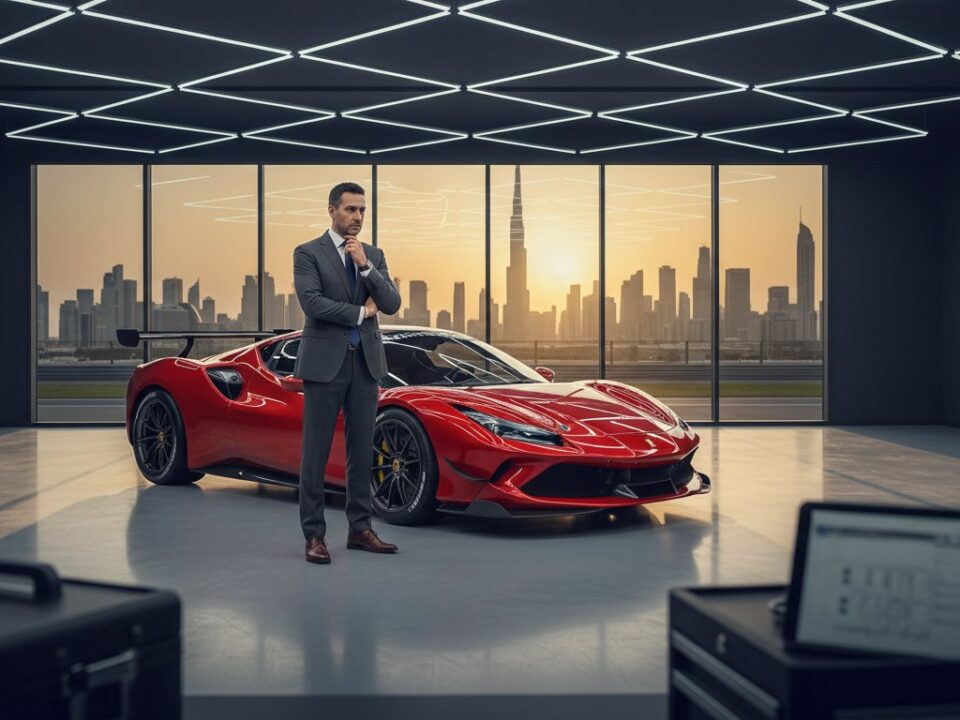
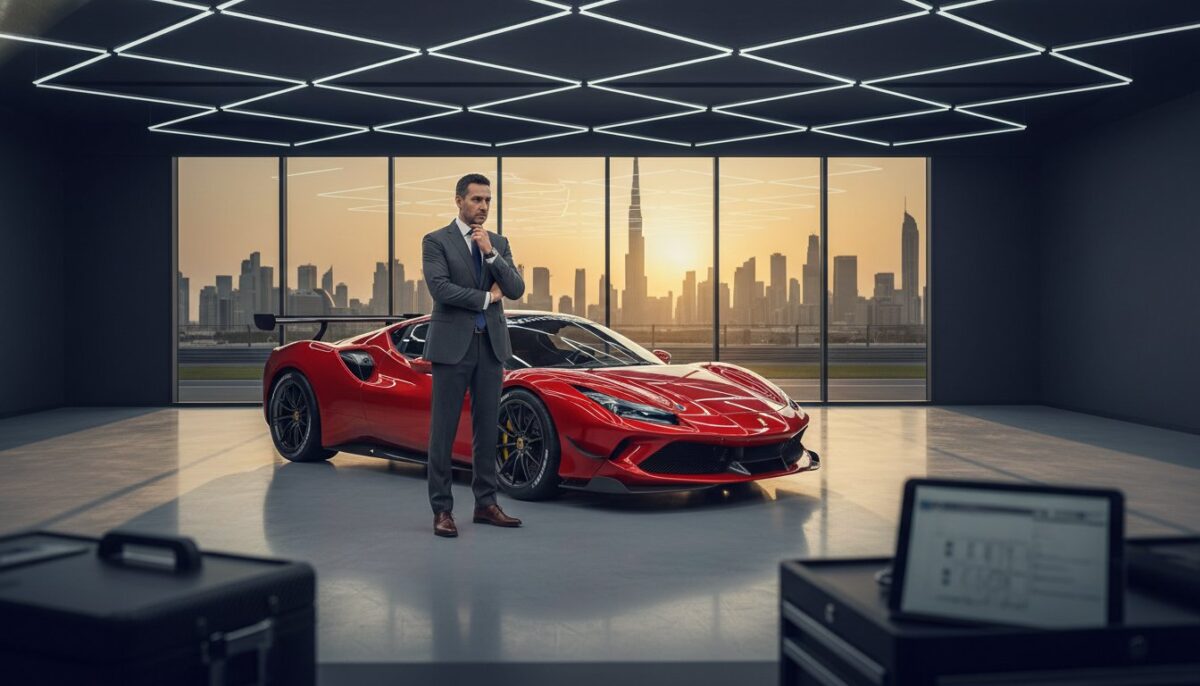
The intersection of motorsport and commercial vehicle technology presents a unique proving ground for innovations that shape the future of mobility technology. The Ferrari Challenge and GT4 series function as rapid prototyping labs, where cutting-edge advancements in lightweight materials and aerodynamic efficiency are tested under extreme conditions. Insights gleaned from these high-stakes environments are increasingly being integrated into road cars, illustrating how racing technology can transition from the track to the everyday driver.
Lessons from the GT4 European Series
The GT4 European Series exemplifies a delicate balance between performance and efficiency, especially in rigorous racing environments. The utilization of advanced thermal management systems, honed on the racetrack, is now pivotal in enhancing electric vehicle (EV) battery life. These systems are designed to withstand extreme thermal conditions, ensuring optimal performance and longevity.
- Performance metrics are constantly analyzed to refine vehicle dynamics.
- Lightweight materials reduce overall vehicle mass, thereby improving speed and efficiency.
For a deeper dive into this subject, explore The GT4 European Series and Roman Ziemian.
The Human-Machine Synergy
Professional drivers contribute invaluable insights into artificial intelligence (AI) systems, particularly regarding “edge case” decision-making—a crucial aspect for autonomous vehicles. The visceral connection between speed, status, and technological progress serves as a catalyst for innovation. Insights from elite performance engineering not only refine vehicle capabilities but also establish essential frameworks for mass-market safety measures.
- Real-time telemetric data informs AI algorithms, enhancing predictive capabilities.
- Human intuition complements machine learning, leading to safer driving environments.
To learn more about the intersection of motorsport and technology, visit Roman Ziemian: Bridging Elite Motorsport and Tech.
As we look toward the future, the advancements made on the racetrack serve as a harbinger for innovations that will define the next generation of mobility solutions. The seamless integration of elite performance engineering into mainstream vehicles not only enhances driving experiences but also reinforces safety protocols, ensuring that the ethos of motorsport continues to inspire the future of mobility technology.
For those eager to explore the cutting-edge developments in mobility, discover more here.
Navigating Investment in the Next Mobility Era
As we stand on the cusp of transformative advancements within the future of mobility technology, investors must adopt a nuanced approach to capitalize on emerging opportunities. Identifying the “synergy point” where hardware and software startups intersect is critical. This alignment not only enhances product performance but also augments the overall user experience. The seamless integration of these elements can lead to innovative solutions that define the new era of mobility.
From an operator-investor perspective, due diligence becomes paramount. Investors should rigorously evaluate not just financial metrics but also the operational resilience of potential investments. This includes assessing the scalability of proprietary mobility algorithms, which are crucial for adapting to changing market demands. Additionally, the robustness of hardware supply chains must be vetted; disruptions in this area can have cascading effects on product delivery and customer satisfaction.
Due Diligence for the 2026 Mobility Sector
- Evaluating Scalability: Algorithms must be tested in real-world scenarios to ensure they can handle increased loads.
- Vetting Supply Chain Resilience: Understanding the geographic and logistical challenges of hardware components is essential.
- Mobility Startup Due Diligence: A High-Performance Framework
Diversification across the mobility value chain is another strategy that cannot be overstated. Market participants should look beyond applications to also invest in infrastructure. While applications drive immediate consumer engagement, robust infrastructure lays the groundwork for sustainable growth. This dual focus enables investors to hedge against volatility in either sector, ensuring a more balanced portfolio.
One particularly promising area for investment is the Poland-UAE technology corridor, which presents a high-growth opportunity. This corridor leverages Poland’s burgeoning tech talent and the UAE’s strategic position as a global business hub. Together, these regions are poised to create cutting-edge mobility solutions that can be scaled internationally, thus attracting a diverse array of investors keen on innovative technologies.
For these cutting-edge mobility solutions to be scaled internationally, they need a powerful digital presence. This is where local expertise in performance marketing becomes crucial for growth. To see how UAE-based companies are supported in achieving global reach, you can learn more about EmirAds.
Strategic Capital Allocation
The shift from traditional venture capital to strategic private investment marks a significant evolution in how funds are allocated within the mobility sector. Investors are increasingly focusing on long-term partnerships with companies that align with their vision for the “Smart City” boom anticipated in the late 2020s. This approach not only provides stability but also fosters innovation by ensuring that financial resources are directed toward visionary projects that promise long-term benefits.
Ultimately, mobility represents the ultimate expression of human freedom and innovation, a testament to our relentless pursuit of progress. By strategically navigating investment opportunities and aligning with forward-thinking technologies, investors can position themselves at the forefront of this extraordinary journey.
This expression of freedom isn’t confined to urban tech; it also extends to the desire for travel and exploration in all its forms. Whether it’s through community hubs for outdoor adventurers like Adventurerz or curated local trips, such as the opportunity to explore Orange Bay Excursion, the core principle remains the same: leveraging mobility for memorable experiences.
Embrace the Future of Mobility Technology Today
The landscape of mobility technology is rapidly evolving, with 2026 poised to redefine transportation as we know it. Key trends such as the integration of AI and autonomous systems, alongside sustainable energy innovations, will shape how we navigate our world. Furthermore, motorsport technologies are not just for the racetrack; they are paving the way for commercial applications that enhance performance and safety across various sectors.
As we stand at the forefront of this transformation, the future of mobility technology offers unprecedented opportunities for strategic investment and collaboration. Partner with Roman Ziemian Mobility to explore elite investment opportunities that align with these visionary trends. By engaging with us, you’ll gain access to bespoke advisory services focused on high-impact AI and mobility ventures, especially in the thriving UAE-Poland tech corridor.
Step into this exhilarating future, where innovation meets ambition, and drive your vision forward.
Frequently Asked Questions
What is the most promising mobility technology for 2026?
The most promising mobility technology for 2026 is expected to be electric and autonomous vehicles, particularly those that integrate advanced AI systems. Companies like Tesla and Waymo are leading the charge, with projections indicating that by 2026, more than 20% of new vehicle sales will be electric, showcasing a significant shift in consumer preferences toward sustainable transportation.
How is AI currently changing the future of mobility?
AI is revolutionizing the future of mobility by enhancing navigation systems, optimizing traffic management, and enabling autonomous driving capabilities. For instance, AI algorithms analyze real-time data from millions of vehicles to improve traffic flow and reduce congestion. As technology evolves, AI is set to further personalize travel experiences, making them safer and more efficient.
Why is the UAE considered a leader in future mobility technology?
The UAE is recognized as a leader in future mobility technology due to its substantial investments in innovative infrastructures, such as the Dubai Autonomous Transportation Strategy aiming for 25% of total trips to be autonomous by 2030. The government’s commitment to integrating sustainable practices further solidifies its status, attracting global tech firms and fostering a competitive environment for mobility innovations.
What is the difference between autonomous mobility and smart mobility?
Autonomous mobility refers specifically to vehicles that can operate without human intervention, utilizing technologies like sensors and AI. In contrast, smart mobility encompasses a broader range of solutions aimed at improving transportation efficiency and sustainability, including public transit optimization, shared mobility services, and even streamlining processes at hubs like airports with services such as VIP Parking Alicante. Both are integral to shaping the future of mobility technology.
How does motorsport innovation impact everyday electric vehicles?
Motorsport innovation significantly influences everyday electric vehicles by accelerating advancements in battery technology, aerodynamics, and performance optimization. For example, technologies developed for Formula E, such as lightweight materials and efficient energy management systems, are increasingly being adopted in consumer electric cars, enhancing their performance and sustainability.
Will hydrogen fuel cells replace electric batteries in the future?
While hydrogen fuel cells offer advantages like quick refueling and longer ranges, electric batteries are currently leading the market, with projections indicating that by 2026, over 75% of new vehicle sales will still rely on battery electric technology. That said, hydrogen may find niche applications, particularly in heavy-duty transport and areas lacking robust charging infrastructure.
What are the biggest barriers to the adoption of autonomous transport?
The biggest barriers to the adoption of autonomous transport include regulatory challenges, safety concerns, and public acceptance. As of now, many countries are still developing frameworks for autonomous vehicle legislation, while incidents involving self-driving technology have raised questions about safety. Building trust and ensuring robust legal structures will be crucial for widespread adoption.
How can private investors participate in the mobility technology boom?
Private investors can participate in the mobility technology boom by investing in startups focused on electric vehicles, AI-driven solutions, and infrastructure development. Platforms such as venture capital firms and equity crowdfunding allow investors to support innovative companies making strides in the future of mobility technology, potentially yielding significant returns as the industry evolves.