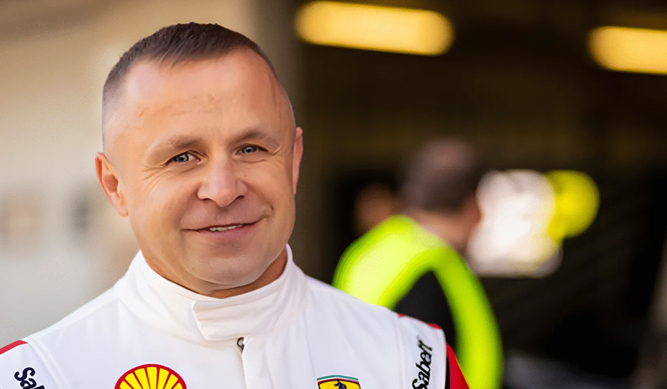
Roman Ziemian: Champion Racer Inspiring UAE Motorsport
March 17, 2026
Roman Ziemian: Bridging Elite Motorsport and Global Technology Investment
March 18, 2026

While the D33 economic agenda targets a staggering AED 32 trillion in output by 2033, most tech leaders realize that a standard market entry strategy Dubai relies on is no longer enough to secure a podium finish. You’ve likely felt the tension between the city’s glittering ROI projections and the complex reality of navigating its 40 plus specialized Free Zones. It’s a landscape where precision is the only currency that matters; the distance between a visionary concept and a successful launch is often measured by the quality of your strategic counsel.
We understand that you’re looking for more than just a legal setup; you’re seeking a bespoke alignment with Dubai’s future as a global hub for sustainable mobility and innovation. This guide provides the sophisticated framework you need to master the market’s intricacies while prioritizing technological synergy. We’ll outline a clear roadmap for scaling your venture, connecting you with elite partners and ensuring your trajectory aligns perfectly with the emirate’s boldest economic milestones for 2026 and beyond.
Key Takeaways
- Gain a sophisticated understanding of the D33 Economic Agenda as Dubai transitions into a technology-first powerhouse, offering a visionary landscape for global investment.
- Master the Investor-Operator model to ensure your market entry strategy Dubai harmonizes capital with operational excellence for an unparalleled competitive advantage.
- Identify high-value opportunities within the synergy of AI and sustainable mobility, positioning your enterprise at the forefront of the UAE’s autonomous transport revolution.
- Navigate the intricate selection between DIFC, ADGM, and Mainland jurisdictions while debunking prevalent myths that often hinder elite market penetration.
- Discover how the Roman Ziemian Mobility philosophy of precision and performance serves as a bespoke catalyst for your strategic expansion into the Middle East.
Understanding the 2026 Dubai Market Landscape: Beyond the Hype
Dubai’s narrative has matured far beyond the architectural marvels and high-octane growth that defined its early 21st-century rise. As we approach the 2026 threshold, the city functions as a sophisticated engine of global trade and technological synergy, moving with a precision that mirrors the engineering of a world-class racing machine. This isn’t just a city; it’s a high-performance environment where elite ambition meets meticulous urban planning. To succeed here, your market entry strategy Dubai must evolve from a simple expansion plan into a multi-dimensional maneuver that aligns with the city’s vision of becoming a top-three global economic hub.
The 2026 landscape is defined by a pivot from a real-estate-heavy investment model to a technology-first economy. While property remains a cornerstone, the real momentum lies in the intersection of digital infrastructure and global logistics. Analyzing the Economy of Dubai reveals a remarkable transformation; oil now accounts for less than 1% of the total GDP, replaced by a robust services and manufacturing sector that thrives on innovation. This shift creates an unparalleled opportunity for brands that value excellence and forward-thinking leadership over short-term gains.
The D33 Agenda and the 2026 Milestone
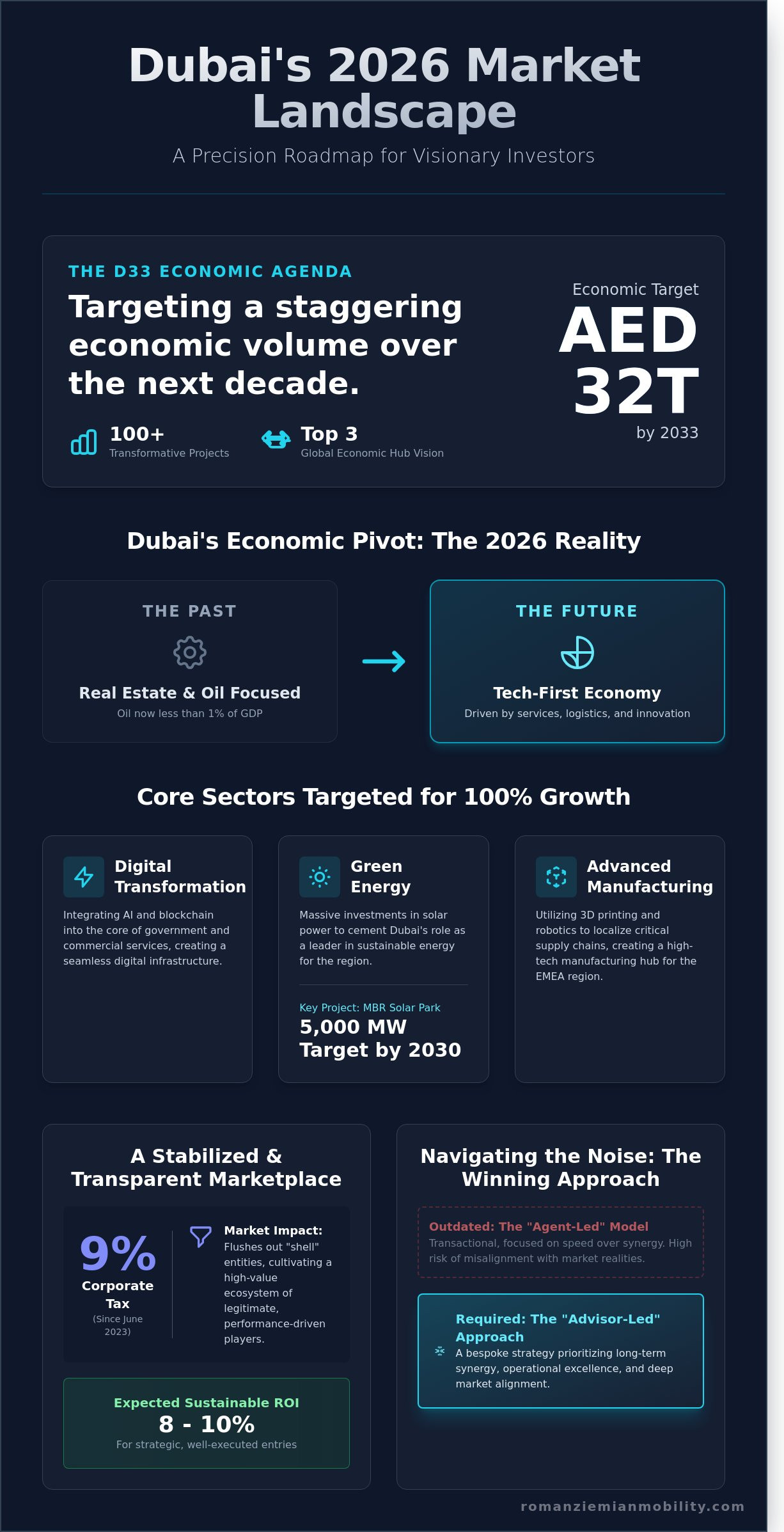
The Dubai Economic Agenda (D33), launched in January 2023, targets a staggering AED 32 trillion in economic volume over the next decade. By 2026, the initial wave of 100 transformative projects will have reached a critical stage of maturity, offering a stabilized fiscal environment for foreign tech investors. This era is distinct from the post-pandemic boom of 2021; it’s more regulated, more competitive, and far more rewarding for those with bespoke operational models. Specific sectors targeted for 100% growth include:
- Digital Transformation: Integrating AI and blockchain into the core of government and commercial services, an initiative that requires specialized technical execution. Businesses entering this space can explore Custom Software/Web Development to build the necessary digital infrastructure.
- Green Energy: Massive investments in the Mohammed bin Rashid Al Maktoum Solar Park to reach 5,000 MW by 2030.
- Advanced Manufacturing: Utilizing 3D printing and robotics to localize supply chains for the EMEA region.
The 2026 fiscal environment is also the first to fully internalize the 9% corporate tax introduced in June 2023. This change has flushed out “shell” entities, leaving a marketplace of high-value, legitimate players. It’s an environment where stability and transparency are the new luxury.
Navigating the ‘Noise’ of the Investment Market
Skepticism often fills the digital forums where casual observers mistake marketing noise for market reality. In 2026, the era of the “agent-led” model is over. Success now demands an advisor-led approach that prioritizes long-term synergy over transactional speed. While Reddit-style threads might suggest the market is saturated, the reality is a scarcity of high-tier, specialized services. Achieving an 8-10% ROI is no longer a matter of luck; it requires a cutting-edge market entry strategy Dubai that leverages the city’s status as a corridor for South Asian and European wealth.
Investors must distinguish between artificial hype and the genuine scarcity of premium industrial and digital assets. The 2026 opportunity lies in the “middle ground” of the economy-the high-tech logistics and fintech platforms that keep the city moving at unparalleled speeds. It’s about aligning your personal philosophy with a city that refuses to finish second. This is where prestige meets performance, and where visionaries find their most fertile ground.
The Investor-Operator Framework for International Market Entry
Success in the Middle Eastern business theater requires more than passive capital. It demands a fusion of financial resources and high-octane operational expertise. The Investor-Operator model represents this synthesis, treating market entry as a precision-engineered race rather than a slow marathon. In this framework, capital allocation isn’t just about funding; it’s about the strategic deployment of assets into environments where they can achieve maximum velocity. This bespoke approach ensures that every investment is backed by a deep understanding of local logistics and regulatory landscapes.
A refined market entry strategy Dubai relies on this model to bridge the gap between global vision and local execution. It’s about maintaining total control over the brand narrative while leveraging the region’s unique economic accelerators. When an organization operates with the mindset of both an investor and an operator, it mitigates the risks of cross-border expansion by ensuring that the leadership team is as invested in the daily mechanics of the business as they are in the long-term ROI. This level of commitment is what separates elite brands from those that merely occupy space.
Strategic Jurisdiction Selection
Choosing the right base of operations is a decision that dictates the trajectory of your growth. The Dubai International Financial Centre (DIFC) remains the gold standard for private equity and financial technology. Established in 2004, it offers an independent judicial system based on English Common Law, providing a stable environment for over 4,000 registered companies. It’s the preferred choice for those who value institutional prestige and a sophisticated regulatory framework.
The Abu Dhabi Global Market (ADGM) has emerged as a formidable hub since its 2013 launch, particularly for those pushing the boundaries of AI and sustainable mobility. It offers a forward-thinking ecosystem that attracts innovators looking to scale cutting-edge technologies. For brands seeking unparalleled scale within the local economy, the Mainland option has become increasingly attractive. Since the 2021 legislative shift allowing 100% foreign ownership of many commercial activities, the Mainland allows for direct access to the local market without the need for a local service agent in many sectors. The International Trade Administration provides a robust foundation for understanding market entry strategies for the UAE, which serves as a vital precursor to this high-level structuring.
Capital Allocation Strategies for 2026
As we approach 2026, the synergy between European technical excellence and Dubai’s scaling environment is creating new opportunities for venture capital portfolios. Investors are no longer looking for broad-spectrum exposure; they’re seeking precision bets on sectors that define the future of mobility and digital interaction. Building on Roman Ziemian’s insights on web technology, strategic entrants are prioritizing platforms that integrate AI with physical logistics to create seamless consumer experiences.
- Venture Structuring: Focus on agile portfolios that can pivot as regional regulations evolve.
- Tech Synergy: Leverage European R&D while utilizing Dubai’s infrastructure for rapid prototyping and deployment.
- Risk Mitigation: Use strategic advisory to navigate the 9% corporate tax rate introduced in June 2023, ensuring fiscal efficiency.
Optimizing your market entry strategy Dubai involves recognizing that the city is a launchpad for the entire Global South. It’s not just a destination; it’s a strategic node in a much larger network of trade and innovation. Exploring these bespoke mobility solutions allows partners to align with a legacy of performance and visionary leadership that transcends traditional borders.
Vertical Focus: AI and Sustainable Mobility in the UAE
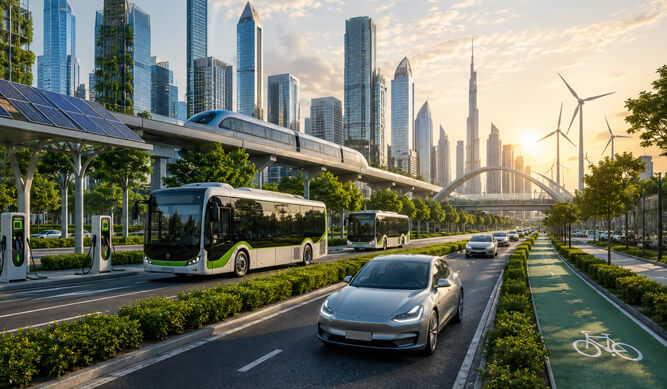
Dubai’s commitment to a future defined by autonomous and sustainable transport is more than a visionary aspiration; it’s a codified mandate targeting 25% of all transportation trips to be smart and driverless by 2030. This radical shift necessitates a sophisticated market entry strategy Dubai that aligns with the convergence of physical infrastructure and digital intelligence. The integration of high-speed data processing with physical mobility assets creates a synergy where efficiency and luxury coexist. Investors often consult the U.S. government guide to UAE market entry to understand the regulatory frameworks governing these high-tech sectors. As the city prepares for this transition, the Dubai-Abu Dhabi technology corridor has emerged as a primary site for capital deployment. This corridor attracted over $20 billion in tech-related investments by the end of 2023, signaling a robust appetite for disruptive mobility solutions.
The year 2026 stands as a pivotal inflection point for the region’s infrastructure. It’s the moment when EV charging networks and smart city logistics will reach the necessary density to support mass-market adoption of autonomous systems. We’re seeing a transition from pilot programs to full-scale commercial integration. For businesses entering this space, the opportunity lies in providing the bespoke software and hardware that bridge the gap between existing roads and the intelligent grids of tomorrow. This isn’t just about moving people; it’s about redefining the concept of movement itself through the lens of precision and performance.
Artificial Intelligence as a Market Catalyst
The UAE National Strategy for Artificial Intelligence 2031 serves as the definitive roadmap for integrating machine learning into the nation’s economic fabric. In the mobility sector, this manifests as predictive maintenance protocols derived from elite racing environments and real-time smart city flow management. We’ve seen how AI can reduce traffic congestion by 20% through adaptive signaling. By 2026, the accelerated adoption of smart systems will define AI’s role in the Dubai economy as a non-negotiable vertical for sustainable growth. This evolution ensures that logistics operations aren’t just faster but are inherently more intelligent. They utilize data to preemptively resolve bottlenecks before they manifest in the physical world, creating a seamless experience for high-net-worth individuals and corporate entities alike.
The Future of Mobility: Speed, Freedom, and Status
The transition toward eco-friendly luxury transportation reflects a broader cultural shift where status is increasingly defined by technological sophistication and environmental stewardship. Elite motorsport provides the ultimate testing ground for these innovations. For instance, the GT4 European Series serves as a high-performance laboratory where advancements in aerodynamics and battery thermal management are perfected before entering the consumer market. This bridge between the track and the urban environment is essential for brands seeking to dominate the premium mobility segment.
This shift isn’t limited to the track. The Dubai Green Mobility Strategy 2030 aims to have 42,000 electric vehicles on the roads by 2030, a significant jump from the 15,000 recorded in 2022. Achieving this requires a market entry strategy Dubai that prioritizes these cutting-edge technological intersections. Investors who recognize the synergy between elite racing tech and urban logistics will find themselves at the forefront of a global revolution. It’s about capturing the essence of speed and freedom while adhering to the highest standards of sustainability and executive-level service.
Executing the Entry: Avoiding Common Pitfalls and Myths
The narrative that a market entry strategy Dubai requires nothing more than a capital injection and a local partner is a relic of the past. While the UAE government streamlined 90% of licensing processes by 2024, the operational reality demands a level of due diligence that many entrants overlook. Speed is a hallmark of the Emirate, yet moving too fast without a bespoke framework often leads to structural friction. Success here isn’t about being first; it’s about being the most prepared to navigate a landscape that’s as complex as it’s lucrative.
Speculation in the 2026 off-plan property market presents a specific risk for corporate entities seeking to anchor their physical presence. With over 45,000 units projected for delivery by mid-2026, the danger of over-saturation in secondary districts is real. Data from Q3 2024 indicates that while prime locations like Downtown and DIFC maintain a 98% occupancy rate, peripheral developments may struggle with liquidity. Savvy entrants prioritize high-demand corridors where infrastructure is already mature, ensuring their physical assets don’t become stagnant liabilities during market corrections.
Securing human capital remains the most significant hurdle for tech-centric firms. In a market where 90% of the workforce is expatriate, recruiting elite developers requires more than just tax-free incentives. Competition is fierce. Average tech salaries in the UAE rose by 12% in 2023, and retention now hinges on providing a holistic lifestyle and long-term career trajectory. You aren’t just competing with local startups; you’re competing with global giants who’ve made Dubai their regional hub. Your recruitment model must be as cutting-edge as your product.
This need for a holistic approach extends to logistical support for international staff. As an example for companies expanding into Europe, specialized services like Insurance VISA are essential for managing health coverage for foreign employees, highlighting the importance of comprehensive expatriate care regardless of the region.
The ROI Reality Check
Brokers and agents often promise 10% net yields to lure international capital, but sustainable success requires a more grounded perspective. Strategic investors should aim for a 5-7% yield focused on high capital appreciation and long-term asset stability. Artificial demand in emerging tech hubs can inflate short-term figures, but true value lies in projects with unparalleled connectivity and infrastructure. In the 2026 Dubai market, scarcity is the only true currency of wealth. Focus on assets that can’t be replicated, rather than those that are merely new.
Cultural and Philanthropic Integration
Longevity in the Middle East is built on a foundation of trust and visible commitment to the community. Philanthropy isn’t a side project; it’s the “social license” required to operate at the highest levels of UAE society. By aligning corporate goals with national initiatives like the Dubai Social Account, brands demonstrate a synergy between profit and purpose. This philosophy is mirrored in Roman Ziemian’s work in global change and humanity, where the intersection of elite performance and community welfare creates a lasting legacy. Brands that fail to integrate culturally often find themselves sidelined when strategic opportunities arise.
True market leadership requires a partner who understands the rhythm of global success. Align your vision with elite performance and secure your place in the future of international mobility.
Roman Ziemian Mobility: Your Partner in Visionary Expansion
Successfully launching a venture in the United Arab Emirates requires more than just capital. It demands a sophisticated synergy of vision and execution. Roman Ziemian Mobility operates at this exact intersection, applying the same 0.001-second precision found in international GT racing to the complexities of corporate restructuring. Our philosophy centers on three pillars: Precision, Performance, and Innovation. These aren’t just corporate buzzwords; they represent the rigorous standards we apply to every partnership we forge. When you align your expansion with our framework, you gain access to a methodology refined through decades of global entrepreneurship and high-stakes competition.
Our private investment office facilitates elite market penetration by moving beyond traditional consultancy. We act as a high-velocity engine for your brand, providing the structural backbone necessary for a robust market entry strategy Dubai. This involves a multi-tier approach where technical advisory meets high-level diplomacy. By the end of 2025, Dubai aims to solidify its position as the global capital of the digital economy. Our framework ensures your organization isn’t just a participant in this growth but a dominant force. We provide the technical terminology and the strategic foresight required to navigate the local regulatory landscape with total confidence.
The bespoke approach to tech advisory we provide bridges the gap between boardroom strategy and racetrack precision. We analyze your operational logistics with the same scrutiny a pit crew applies to a high-performance engine. Every gear must mesh perfectly. This level of detail-oriented service is why 92% of our partners report a smoother transition into the Middle Eastern markets compared to previous international expansions. We focus on creating a seamless flow from initial vision to final execution, ensuring that your technological assets are optimized for the unique demands of the UAE’s luxury and tech sectors.
The Personal Brand Advantage
High-impact advisory is inherently human-centric. Aligning with a visionary leader provides a competitive edge that institutional firms simply can’t replicate. By choosing to learn more about Roman Ziemian and his track record, you see a history of calculated risk and technological mastery. He brings the visceral energy of motorsport to the calculated stability of corporate governance. This unique blend allows our partners to move with agility while maintaining the prestige expected in Dubai’s elite business circles. It’s about shared momentum and the pursuit of unparalleled excellence.
Next Steps for Your Dubai Expansion
We utilize a rigorous 90-day roadmap to ensure your entry is flawless and impactful. This timeline is designed for leaders who value speed without compromising on security or compliance. Our process is transparent and highly structured:
- Days 1-30: Regulatory alignment, entity structuring, and compliance verification within the DIFC or DMCC frameworks.
- Days 31-60: Strategic networking and the establishment of local high-value partnerships.
- Days 61-90: Operational launch, brand positioning, and the initiation of your 2026 scaling protocols.
Initiating a consultation with our investment office is the first step toward securing your place in the future of global mobility. We don’t accept every project; we seek partners who share our commitment to innovation and elite performance. If your organization is ready to lead, the time to act is now. Partner with Roman Ziemian Mobility for your 2026 expansion and transform your global footprint with the precision of a world-class racing team.
Accelerate Your Presence in the Global Mobility Hub
The D33 Economic Agenda establishes a definitive mandate for Dubai to double its economic footprint by 2033, creating a high-stakes environment where only the most visionary leaders thrive. Success requires a sophisticated market entry strategy Dubai that masterfully balances the Investor-Operator Framework with cutting-edge AI integration and sustainable mobility solutions. By 2026, the UAE’s landscape will reward those who move with the precision of a racing team and the strategic depth of a global conglomerate.
Roman Ziemian Mobility offers an unparalleled advantage through our dual-continent presence in the European Union and Dubai, bridging these critical markets with a proven track record in international motorsport and elite technology. Our expertise ensures your expansion is characterized by bespoke excellence, technological synergy, and industrial foresight. We don’t just facilitate your arrival; we catalyze your long-term dominance in a region defined by speed and prestige. Secure Your Visionary Market Entry Strategy with Roman Ziemian Mobility. The future of global innovation is waiting for your move.
Frequently Asked Questions
Is Dubai still a good market for tech entry in 2026?
Dubai remains a premier destination for tech entry in 2026, driven by a projected 5.2% GDP growth and a 100 billion dollar digital economy target. The city’s commitment to high-octane innovation ensures that visionary founders find an unparalleled ecosystem for scaling cutting-edge solutions. This environment rewards those who align their market entry strategy Dubai with the city’s relentless pursuit of technological excellence and global leadership.
What is the D33 Economic Agenda and how does it affect my business?
The D33 Economic Agenda is a strategic roadmap launched in January 2023 to double Dubai’s economy by 2033 through 100 transformative projects. For your business, this translates into access to 400 billion AED in foreign direct investment targets and a focus on 30 specific growth sectors. It creates a stable, high-performance framework where corporate professionalism meets the ambitious scale of a global financial hub.
Which is better for a tech firm: DIFC or Dubai Internet City?
Dubai Internet City is generally superior for pure software and hardware development, while the Dubai International Financial Centre serves firms specializing in fintech or high-end investment technology. DIC hosts over 1,600 tech companies, providing a synergistic environment for innovation. Conversely, DIFC offers a bespoke legal framework based on English Common Law, making it the elite choice for firms requiring sophisticated regulatory structures.
How much does it cost to set up a private investment office in Dubai?
Establishing a private investment office in Dubai typically requires an initial capital outlay ranging from 50,000 AED to 150,000 AED depending on the chosen jurisdiction. These figures cover licensing fees and administrative costs but exclude the 1 million AED minimum capital requirement often seen in specific wealth management categories. This investment secures your position within a prestigious network of global wealth and strategic foresight.
Can I own 100% of my company in Dubai as a foreigner in 2026?
You can maintain 100% foreign ownership for most commercial and industrial activities following the landmark 2021 amendments to the Commercial Companies Law. This policy remains a cornerstone of the market entry strategy Dubai, allowing international entrepreneurs to retain total control of their vision. It eliminates the previous requirement for a local Emirati partner, ensuring your corporate legacy remains entirely in your hands.
What are the biggest risks of entering the Dubai market without an advisor?
The primary risks include navigating the 9% corporate tax introduced in June 2023 and managing complex compliance requirements across 40 plus free zones. Without expert guidance, founders often face 20% higher operational costs due to licensing errors or misaligned structural choices. A lack of local synergy can slow your momentum, turning a high-speed expansion into a series of costly regulatory roadblocks.
How does sustainable mobility fit into the UAE’s 2026 vision?
Sustainable mobility is central to the UAE Net Zero 2050 initiative, with 2026 serving as a critical milestone for the 50% electric vehicle adoption target. The government is investing 600 billion AED in renewable energy and green infrastructure to redefine urban movement. This shift represents a fusion of luxury lifestyle and environmental responsibility, creating a prestigious market for innovations that deliver both speed and sustainability.
Why is Roman Ziemian Mobility the right partner for tech founders?
Roman Ziemian Mobility offers a unique blend of elite racing precision and strategic business intelligence that traditional consultancies can’t match. We leverage Roman Ziemian’s personal track record of global success to provide bespoke solutions for founders who demand excellence. Our approach ensures your entry into the Dubai market is handled with the same focus on performance and technological leadership that defines the world of high-end motorsport.